








Planning meals using pantry staples is a smart and practical way to save time, reduce food waste, and ease the stress of daily cooking. Whether you’re stocking up for emergencies, trying to stick to a budget, or just want to make the most of what you already have, your pantry can be a treasure trove of delicious meal options.
In this post, we’ll guide you step-by-step on how to plan meals centered around pantry basics. With a bit of organization and creativity, you’ll discover how to turn simple ingredients into satisfying dishes for your family.
Why Meal Planning with Pantry Staples Works
Meal planning is all about deciding in advance what you’ll eat for the week. When you plan around pantry staples, you:
– Save money by using ingredients you already own.
– Prevent impulse shopping and reduce food waste.
– Make cooking quicker and less stressful.
– Ensure you always have something ready to eat, even on busy days.
Step 1: Take Inventory of Your Pantry
Before you start planning meals, it’s important to know exactly what you have on hand.
How to Take Inventory:
– Empty your pantry shelves and group items by category: grains, canned goods, spices, baking supplies, etc.
– Check expiration dates and remove anything that’s past its prime.
– Write down everything on a sheet or use a pantry inventory app to track your items.
Having a clear list will help you see what ingredients you can combine into meals without needing to shop.
Step 2: Identify Your Pantry Staples
Common pantry staples usually include:
– Grains: rice, pasta, quinoa, oats, couscous
– Canned goods: beans, tomatoes, tuna, vegetables, broth
– Baking essentials: flour, sugar, baking powder, yeast
– Oils and vinegar: olive oil, vegetable oil, balsamic vinegar
– Spices and herbs: salt, pepper, garlic powder, chili flakes, dried oregano, basil
– Nuts and seeds: almonds, sunflower seeds, chia seeds
– Other basics: peanut butter, honey, soy sauce, canned coconut milk
Make a list of your essential staples and keep it updated as you shop and use ingredients.
Step 3: Choose Simple, Flexible Recipes
To make the most of your pantry staples, pick recipes that are easy to modify based on what’s available. Here are some versatile ideas:
– Pasta dishes with canned tomatoes, garlic, olive oil, and dried herbs
– Rice bowls with beans, canned vegetables, and a simple dressing
– Soup or stew using broth, canned beans, vegetables, and spices
– Stir-fries combining grains with whatever canned or dried veggies you have
– Baked goods like muffins or pancakes using flour, sugar, and baking powder
Tip: Search for recipes labeled “pantry meals” or “budget-friendly” that match your staple items.
Step 4: Plan Your Weekly Menu
Using your pantry inventory and recipe ideas, draft a meal plan for the week.
How to plan effectively:
- Pick 3–4 main dishes centered on pantry staples.
- Include fresh or frozen produce if you have it, or plan a quick grocery trip for veggies.
- Plan leftovers for another meal or lunch options to reduce waste.
- Keep meals simple on busy days — one-pot or sheet-pan recipes work well.
Example weekly plan might look like:
– Monday: Spaghetti with canned tomato sauce and garlic bread
– Tuesday: Bean and rice bowl with salsa and avocado
– Wednesday: Vegetable soup with broth and canned veggies
– Thursday: Stir-fried couscous with canned chickpeas and spices
– Friday: Pancakes or flatbread with honey and peanut butter
Step 5: Organize Your Pantry for Easy Access
A well-organized pantry makes meal prep faster and more enjoyable.
Tips for organizing:
– Group similar items together (e.g., all canned goods in one area).
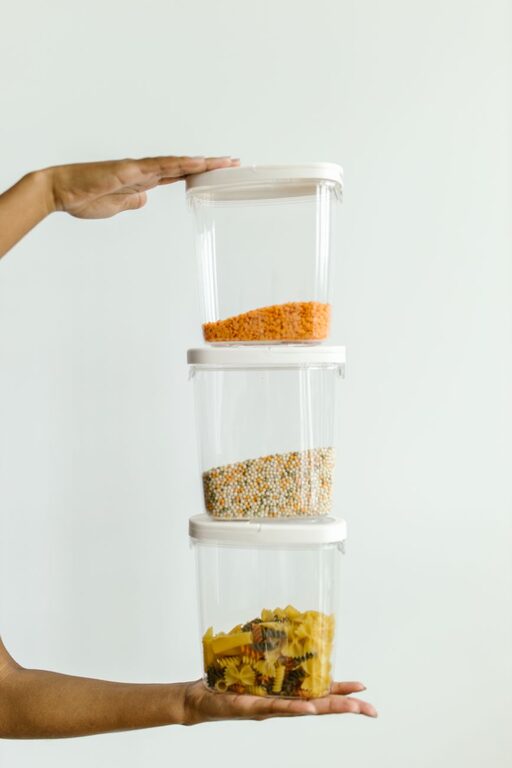
– Use clear containers or labeled bins for smaller items.
– Place frequently used staples at eye level for easy reach.
– Keep a list on the pantry door for quick inventory updates.
Step 6: Keep Extra Staples Handy
To avoid last-minute trips to the store, keep a few pantry essentials well-stocked:
– Long-lasting grains (rice, pasta)
– Variety of canned goods (beans, tomatoes, broth)
– Basic spices and seasonings
– Cooking oils and condiments
Regularly check to replenish items as you use them.
Bonus Tips for Success
– Batch cook pantry-based meals and freeze portions for busy days.
– Experiment with different spice combinations to keep meals interesting.
– Use online resources or apps to find recipes based on ingredients you have.
– Don’t be afraid to get creative — many pantry staples are surprisingly versatile!
Final Thoughts
Planning meals from pantry staples is a simple, efficient way to keep your kitchen running smoothly. By knowing what you have, choosing adaptable recipes, and staying organized, you’ll enjoy tasty meals without the stress of last-minute grocery shopping.
Start by taking stock of your pantry today and try creating a meal plan that uses those ingredients. You might find that your pantry staples hold more possibilities than you ever imagined!