







Composting is a rewarding and eco-friendly way to recycle kitchen scraps and yard waste into nutrient-rich soil. Whether you have a large backyard or a small balcony, starting a compost pile or bin at home can enrich your garden, reduce waste, and contribute to a healthier environment. If you’re new to composting, this guide offers simple, practical tips to help you get started with confidence.
What Is Composting?
Composting is the natural process of breaking down organic materials like food scraps and plant debris by microorganisms. The result is humus, a dark, crumbly soil amendment that improves soil structure, retains moisture, and feeds plants with essential nutrients.
Why Compost at Home?
– Reduces Waste: Composting keeps kitchen and garden waste out of landfills, cutting down on methane emissions.
– Improves Soil: Homemade compost enriches garden soil naturally, reducing the need for chemical fertilizers.
– Saves Money: With your own compost, you spend less on soil conditioners and fertilizers.
– Supports Plant Health: Compost encourages healthy microbial activity and improves plant growth.
Getting Started: Choose Your Composting Method
Compost Bin vs. Compost Pile
– Compost Bin: Ideal for small spaces and backyard gardens; bins are tidy, help retain heat, and protect from pests.
– Compost Pile: Best for larger yards; simply pile organic waste in an open area and turn regularly.
For beginners, a simple compost bin or a tumbling composter can make managing the process easier.
What Materials Can You Compost?
Successful compost relies on a balance of “brown” and “green” materials.
– Green Materials (rich in nitrogen):
– Fruit and vegetable scraps
– Coffee grounds and filters
– Grass clippings
– Fresh leaves
– Brown Materials (rich in carbon):
– Dry leaves
– Straw or hay
– Shredded paper or cardboard
– Wood chips or sawdust (untreated)
Avoid Adding These:
– Meat, fish, and dairy products (can attract pests)
– Oils and fats
– Diseased plants
– Pet waste
– Invasive weeds or plants treated with herbicides
How to Build Your Compost
- **Select a Location:** Choose a spot that is convenient, has good drainage, and receives some sunlight to help speed up decomposition.
- **Create Layers:** Start with a layer of coarse browns like twigs to help aerate. Alternate layers of greens and browns roughly 2-3 inches thick.
- **Maintain Moisture:** Compost should be as damp as a wrung-out sponge. Water occasionally if it’s dry.
- **Turn Regularly:** Every 1-2 weeks, use a pitchfork or compost turner to mix materials and introduce oxygen, which speeds up decomposition.
Troubleshooting Common Composting Issues
– Smelly Compost: Usually caused by too many greens or poor aeration. Add more browns and turn the pile more frequently.
– Slow Decomposition: May be due to lack of moisture, air, or nitrogen. Check moisture level, turn the pile, and add green materials.
– Pests: Ensure no meat or oily foods are added; use a closed bin and cover food scraps with brown materials.
Composting in Small Spaces
If you live in an apartment or have limited outdoor space, consider these options:
– Indoor Worm Bin (Vermicomposting): Use red worms to break down food scraps quickly in a sealed container.
– Bokashi Composting: A fermentation process that allows you to compost all food waste, including meat and dairy, by adding a special microbial mix.
– Compost Tumbler: A compact bin that you can rotate to aerate compost, making it faster and less messy.
Using Your Finished Compost
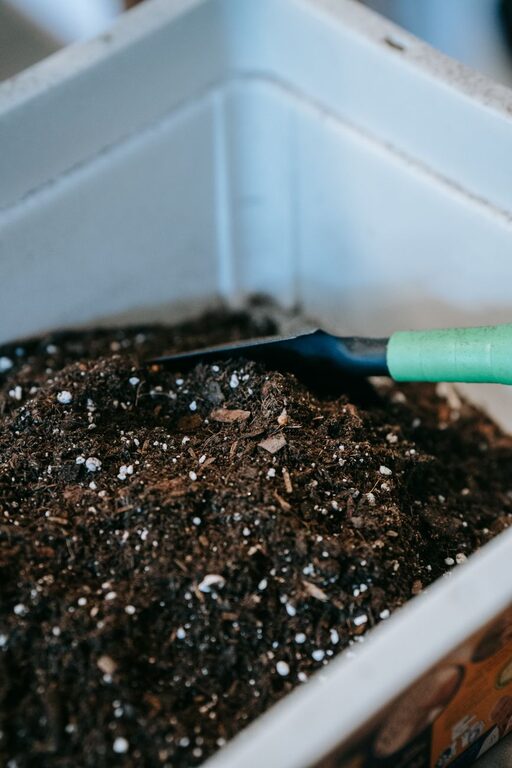
You’ll know compost is ready when it looks dark and crumbly and smells earthy. Use it to:
– Mix into garden beds before planting
– Top dress potted plants or lawn
– Make compost tea by soaking compost in water to create a nutrient-rich liquid fertilizer
Final Tips for Beginners
– Be patient — compost can take a few months to a year to mature depending on conditions.
– Chop larger scraps into smaller pieces to speed up decomposition.
– Keep a compost bucket in your kitchen to collect scraps easily.
– Learn and observe your compost pile regularly to adjust moisture, aeration, or materials.
Conclusion
Home composting is a simple and impactful way to reduce waste and enrich your plants. By balancing greens and browns, keeping your compost moist and aerated, and choosing a method that fits your space, you’ll enjoy the benefits of healthy soil and a greener lifestyle. Happy composting!